

Inflammation is one of the most fundamental biological processes in the human body, and also one of the most misunderstood in the context of wellness culture. Acute inflammation, the redness, heat, swelling and pain that follows an injury or infection, is a precisely regulated and essential biological response that initiates tissue repair and coordinates immune defense. The problem that underlies a growing proportion of chronic disease in the developed world is not inflammation itself but the failure of this response to resolve appropriately, leaving the body in a state of low-grade, persistent inflammatory activation that damages tissues over time without providing the protective benefits that acute inflammation delivers.
Chronic low-grade inflammation has been implicated in the pathophysiology of cardiovascular disease, type 2 diabetes, certain cancers, neurodegenerative conditions, autoimmune disorders and mood disorders including depression. Understanding what drives this persistent inflammatory state and what natural approaches have genuine evidence behind them is both a scientific and a practical question for anyone managing a chronic condition or seeking to reduce their long-term health risk.
What drives chronic inflammation
The biological mechanisms that allow acute inflammation to persist and become chronic are multiple and interrelated. In a healthy resolution process, pro-inflammatory mediators like prostaglandins, leukotrienes and pro-inflammatory cytokines such as TNF-alpha, IL-1 beta and IL-6 are progressively replaced by specialized pro-resolving mediators that actively terminate the inflammatory response and initiate tissue repair. When this resolution process is impaired, the inflammatory cascade continues without adequate counter-regulation.
Several lifestyle and environmental factors consistently impair the resolution of inflammation. A diet high in refined carbohydrates and industrial seed oils provides excessive omega-6 fatty acids that compete with the omega-3 precursors needed for pro-resolving mediator synthesis. Adipose tissue, particularly visceral fat, functions as an active endocrine organ that secretes pro-inflammatory adipokines in proportion to its volume. Chronic psychological stress maintains elevated cortisol levels that, paradoxically, can both suppress immune function and promote chronic low-grade inflammation through complex neuroimmune interactions. Sleep deprivation of even modest degree elevates inflammatory markers including IL-6 and CRP within days of its onset.
Dysbiosis of the gut microbiome is an increasingly recognized driver of systemic inflammation. The intestinal barrier, when disrupted by dietary factors, antibiotic use or stress, allows bacterial products including lipopolysaccharides to translocate into the systemic circulation where they trigger persistent low-level immune activation through toll-like receptor signaling.
Omega-3 fatty acids : the most evidence-supported natural anti-inflammatory
Marine omega-3 fatty acids, specifically eicosapentaenoic acid and docosahexaenoic acid found in fatty fish and fish oil supplements, have the most extensive evidence base of any natural compound for anti-inflammatory effects in humans. Their mechanism of action operates through multiple pathways: they compete with arachidonic acid for incorporation into cell membrane phospholipids, reducing the substrate available for pro-inflammatory eicosanoid synthesis; they serve as direct precursors for specialized pro-resolving mediators including resolvins and protectins that actively terminate inflammation; and they modulate gene expression through interaction with PPAR nuclear receptors.
Multiple randomized controlled trials have demonstrated reductions in circulating inflammatory markers including CRP, IL-6 and TNF-alpha with omega-3 supplementation at doses typically between 2 and 4 grams of combined EPA and DHA per day. The clinical relevance of these reductions has been demonstrated most clearly in rheumatoid arthritis, where omega-3 supplementation reduces joint pain, morning stiffness and NSAID requirements, and in cardiovascular risk reduction where the REDUCE-IT trial demonstrated a 25% relative risk reduction in cardiovascular events with high-dose EPA in statin-treated patients.
Curcumin : evidence and the bioavailability problem
Curcumin, the principal bioactive compound in turmeric, is one of the most researched natural anti-inflammatory compounds and one of the most frequently misunderstood. The anti-inflammatory mechanisms of curcumin are genuine and multiple: it inhibits NF-kB, the master transcription factor that drives expression of most pro-inflammatory genes; it inhibits COX-2, the enzyme that produces inflammatory prostaglandins; and it scavenges reactive oxygen species that amplify inflammatory signaling. These mechanisms are well-documented in cell culture and animal models.
The limitation is bioavailability. Curcumin is poorly absorbed from the gastrointestinal tract, rapidly metabolized and rapidly eliminated, resulting in very low plasma concentrations after standard oral consumption. A standard turmeric powder capsule produces plasma curcumin concentrations that may be insufficient to replicate the anti-inflammatory effects demonstrated in vitro. This has driven development of enhanced bioavailability formulations including piperine combinations, phospholipid complexes, nanoparticle formulations and liposomal delivery systems that increase plasma curcumin concentrations by factors of 10 to 20 or more compared to standard preparations.
CBD and inflammation : the transdermal advantage
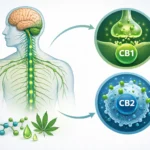
CBD’s anti-inflammatory properties operate primarily through CB2 receptor activation in peripheral immune tissues and through modulation of multiple inflammatory signaling pathways. Preclinical research has consistently demonstrated reductions in pro-inflammatory cytokine production and inflammatory cell migration with CBD treatment in models of arthritis, neuropathic pain and inflammatory bowel disease.
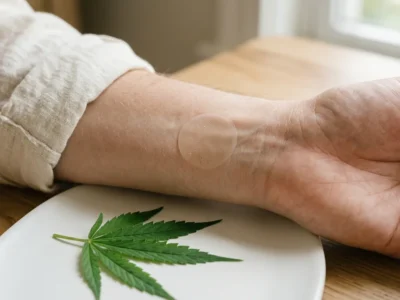
For localized inflammatory pain conditions, the transdermal delivery format offers specific advantages over systemic oral CBD, as discussed in our detailed guide to CBD patches for pain. By delivering CBD directly through the skin in proximity to inflamed tissue, transdermal patches may achieve higher local concentrations in the underlying joint, muscle or nerve tissue while maintaining lower systemic exposure, potentially producing localized anti-inflammatory effects with reduced systemic interaction with other medications.
Diet as the foundation of anti-inflammatory management
No supplement or natural compound operates effectively in the context of a diet that chronically promotes inflammation. The Mediterranean dietary pattern, characterized by high intake of vegetables, fruits, legumes, whole grains, olive oil and oily fish with moderate wine consumption and limited red meat, has the most consistent epidemiological and interventional evidence for anti-inflammatory effects and reduced chronic disease risk of any dietary pattern studied.
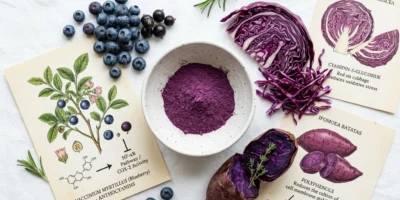
The mechanisms are multiple and synergistic: high polyphenol intake from fruits, vegetables and olive oil reduces oxidative stress that amplifies inflammation; adequate omega-3 intake supports pro-resolving mediator synthesis; high fiber intake feeds the gut microbiome populations that produce short-chain fatty acids with anti-inflammatory properties; and the moderate caloric density of the pattern reduces visceral adiposity that drives adipokine-mediated inflammation.






Comments