
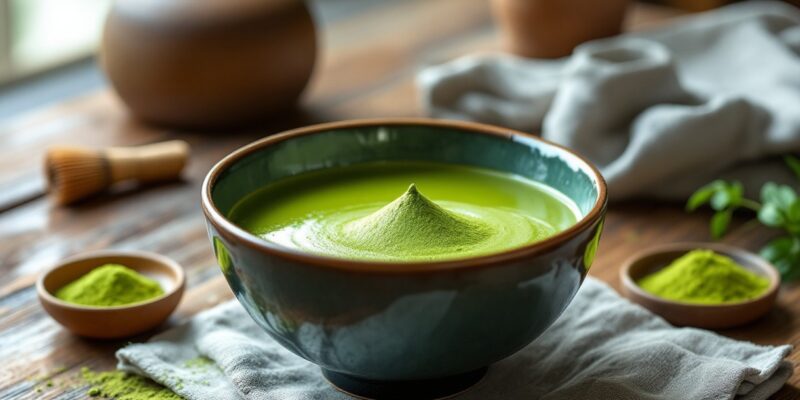
In recent years, matcha has become a popular choice among health enthusiasts, not just because of its vibrant green hue but also due to its impressive list of potential benefits. Derived from the same Camellia sinensis plant as other green teas, matcha is unique in its cultivation and preparation methods, making it a distinctive addition to any diet. But what makes matcha stand out, and is matcha truly beneficial for your health? Let’s explore the attributes of this remarkable tea to understand if its growing reputation is justified.
Rich source of antioxidants
One of the most appealing features of matcha is its exceptionally high content of antioxidants. These potent compounds help protect the body from harmful free radicals, which can otherwise lead to chronic diseases. The presence of catechins, particularly epigallocatechin gallate (EGCG), is notably significant in matcha. Research indicates that EGCG exhibits powerful antioxidant effects, helping to combat oxidative stress and reduce inflammation throughout the body.
Regular consumption of foods high in antioxidants contributes positively to overall health by minimizing cellular damage. Matcha, offering multiple times more EGCG compared to traditional green tea, stands as an ideal candidate for those seeking to enhance their antioxidant intake effortlessly.
The process of consumption matters
When you enjoy a cup of traditionally brewed green tea, only parts of the tea leaf’s nutrients dissolve into the water. In contrast, consuming matcha means ingesting the entire tea leaf, maximizing your intake of these vital antioxidants. This distinction underscores why matcha continues to gain popularity among individuals focused on health benefits.
Furthermore, incorporating matcha into smoothies or desserts provides a delicious way to enjoy its nutritional offerings alongside other wholesome ingredients, further boosting antioxidant levels in a fun and tasty manner.
Potential heart health advantages
Several studies have explored the relationship between regular matcha consumption and improved heart health. The ability of matcha to potentially lower LDL cholesterol, often dubbed “bad” cholesterol, highlights its significance. Elevated LDL levels are a known risk factor for developing cardiovascular diseases, underscoring the importance of dietary choices promoting better lipid profiles.
Moreover, the anti-inflammatory properties observed with matcha’s antioxidant compounds might aid in protecting the heart against various disease-related inflammations. These factors suggest matcha could serve as a supportive beverage for maintaining cardiovascular well-being, complementing other healthy lifestyle practices.
Enhancing brain function
An intriguing aspect of matcha consumption is its potential impact on cognitive performance. Studies have shown that drinking matcha may improve attention span, reaction time, and memory. Much of this cognitive boost is attributed to its caffeine content coupled with l-theanine, an amino acid found in considerable amounts within matcha leaves.
L-theanine promotes relaxation without drowsiness, creating what many describe as a calm alertness. This balanced state is beneficial for tasks requiring focus and concentration. Unlike coffee, where excessive caffeine can lead to anxiety or jitteriness, matcha offers a smoother energy boost, often favored by professionals and students alike.
Supporting weight loss and metabolism
A frequent feature in discussions about weight loss strategies, matcha may contribute to enhanced fat burning and increased metabolism. Its concentration of catechins is believed to elevate thermogenesis—a body’s rate of burning calories—helping to promote weight loss over time with consistent use.
Additionally, drinking matcha before physical exercise may augment results by sustaining energy levels longer. The combination of caffeine and catechins works synergistically to maximize fat oxidation while reducing perceived exertion during workouts, encouraging longer and more effective fitness sessions.
Diverse incorporation in diets
Aside from the traditional ceremonial preparation involving hot water and a bamboo whisk, matcha can be creatively integrated into numerous dishes. Consider adding matcha powder to yogurt, oatmeal, or baking recipes to infuse them with its characteristic flavor and metabolic advantages.
This adaptability helps people maintain interest and enjoyment when exploring different culinary uses, fostering adherence to healthier eating patterns without sacrificing satisfaction.
The role of stress reduction via relaxation
In our fast-paced world, stress management has become increasingly crucial. Matcha plays a promising role here due to its calming traits linked to l-theanine. This compound supports an increase in alpha waves in the brain, correlating with a state of relaxed, meditative awareness.
By facilitating neurotransmitters like serotonin and dopamine, l-theanine contributes to mood enhancement and overall psychological well-being. Such attributes make matcha an excellent choice for those looking to manage daily stress while keeping mental clarity intact.
A versatile form of energy boost
Many turn to matcha as a natural energy booster, appreciating its sustained release effect contrasted with more immediate but short-lived alternatives like coffee or sugary drinks. The combination of caffeine, slowly released, and calming l-theanine creates a perfect synergy.
This long-lasting energy boost enables people to approach their tasks with steadier vigor. Additionally, avoiding sugar-induced energy crashes aligns with broader wellness goals such as maintaining stable blood glucose levels.
Practical tips for optimal consumption
- ✅ Start with small serving sizes to gauge your body’s response to matcha’s effects.
- 🌿 Experiment with organic variations to minimize exposure to potential pesticide residues.
- 🥛 Balance potency by pairing matcha with milk substitutes or light sweeteners as desired.
- ☕ Schedule intake earlier in the day to align its energizing qualities with daily productivity needs.
Exploring the many dimensions of matcha reveals why it is regarded so highly across different cultures worldwide. Whether sought for its marvelous chest of antioxidants, heart health support, or its role in boosting brain function and reducing stress, matcha holds substantial promise in contributing to overall vitality. Remember that individual experiences will vary, and embarking on a personal journey with matcha can be one of discovery, experimentation, and enrichment.








Comments