

The question of whether THCA is safe to smoke sits at the crossroads of science, well-being, and personal exploration. In recent years, interest in cannabinoid compounds has soared, especially THCA, known as the precursor to THC and valued for its distinctive characteristics.
While some view it as a promising addition to holistic health practices, others express concerns about the safety of smoking THCa and its effects on physical and mental wellness.
Here, we explore what makes THCA unique, how it interacts with the body, and the importance of making informed, responsible choices when considering cannabinoids.
- Understanding THCa: characteristics and psychoactive potential
- Decarboxylation: what happens when you smoke THCa?
- Methods of consumption: how do they affect THCa’s impact?
- Potential benefits and risks of THCa and THC
- Mental wellness, legal status, and drug testing implications
- Comparing THCa to other cannabinoids
Understanding THCa: characteristics and psychoactive potential
THCA (tetrahydrocannabinolic acid) naturally exists in raw cannabis before exposure to heat. What sets this compound apart is its non-psychoactive nature in its raw state, distinguishing it from THC. This difference is essential for anyone evaluating whether THCA is suitable or safe for consumption by smoking.
The defining feature of THCA lies in its transformation process, called decarboxylation. Before heating, THCA does not cause the classic high associated with cannabis, which can appeal to those wishing to avoid intense psychoactive effects but still benefit from certain therapeutic properties.
Decarboxylation: what happens when you smoke THCa?
Many people are curious about what takes place during smoking or vaping cannabis containing THCa. Heat triggers a chemical reaction that converts THCA into THC almost instantly—a pivotal factor influencing both safety and expected outcomes. For those interested in exploring high-quality sources, discovering a variety of THCa flowers can offer insight into different strains and their specific profiles.
This conversion of THCa to thc is central to discussions about safety. Once heat is applied, most THCA transforms into THC, fundamentally changing its effect profile and introducing new potential risks for users.
- 🔥 Direct burning rapidly decarboxylates THCA, resulting in strong psychoactive effects.
- 🌬️ Vaping produces a similar conversion, sometimes at lower temperatures, yet still yields significant THC.
- 🥗 Consuming raw cannabis rich in THCA will not produce a high unless heated first.
Methods of consumption: how do they affect THCa’s impact?
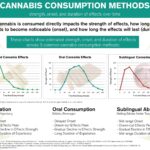
Different methods of consumption lead to varying results, especially regarding respiratory or lung health risks and the overall safety of smoking THCa compared to other approaches.
If your goal is to experience THCA’s original, non-intoxicating qualities, options like juicing or adding raw cannabis leaves to salads avoid converting THCA to THC. Those who prefer inhalation methods must understand how each route impacts desired effects and aligns with personal wellness priorities.
Smoking and vaping: traditional and modern practices
Traditional smoking exposes cannabis to direct flame, ensuring nearly complete conversion of THCA into psychoactive THC. Vaping heats cannabis at lower temperatures and may leave behind small amounts of unconverted THCA, though sufficient heat still creates considerable THC. Both practices raise similar concerns for lung and respiratory tissue health.
Current research points to risks such as throat irritation, persistent coughing, and long-term respiratory problems with regular smoking or vaping, regardless of the specific cannabinoid involved. Practicing responsible and moderate use is crucial for protecting both the body and ongoing mental wellness.
Baking and consuming raw cannabis: an alternative approach
Incorporating raw cannabis into food or juice without heating it offers a different path. Raw THCA maintains its non-psychoactive properties, and early studies suggest possible anti-inflammatory and neuroprotective benefits. Baking, however, applies heat and therefore mirrors the effects of smoking, producing THC and its accompanying experiences.
Below is a summary of popular ways to consume THCA, highlighting their influence:
- 🚬 Smoking: Nearly all THCA converts to THC; pronounced psychoactive effects result.
- 💨 Vaping: Similar conversion occurs, sometimes less harsh than smoking but still carries risks.
- 🥧 Baking/edibles: Decarboxylation during cooking leads to psychoactive impact.
- 🥗 Raw consumption (juicing/salads): Preserves non-psychoactive THCA; little to no high is felt.
Potential benefits and risks of THCa and THC
Much curiosity around cannabinoids centers on their potential benefits. Many seek relief from chronic pain, inflammation, or psychological stress, yet important questions remain about the differences between THCA and THC and the safety trade-offs involved.
Animal and cell-based studies indicate that THCA may have anti-inflammatory, antioxidant, and neuroprotective properties, but there is a lack of robust clinical trials in humans. When THCA is converted to THC through smoking, the resulting psychoactive effects can support relaxation but also increase the risk of cognitive disruption, anxiety, or paranoia—especially in sensitive individuals.
| 🧬 Compound | ✨ Effects | ⚠️ Risks |
| THCA (raw) | Non-psychoactive, possible anti-inflammatory properties | Insufficient human evidence, minimal immediate risk if consumed raw |
| THC (smoked/vaped/baked) | Psychoactive effects, pain relief, appetite stimulation | Respiratory irritation, impairment, potential anxiety or paranoia |
Mental wellness, legal status, and drug testing implications
The connection between cannabinoids and mental health varies greatly depending on individual circumstances. For some, moderate exposure to THC brings calm and stress reduction. Others, however, may experience mood instability or worsened anxiety.
Responsible and moderate use is vital for maintaining balance. Setting clear boundaries on frequency and dosage helps prevent negative mental health effects and reduces the risk of dependency over time.
Legal status: regional variance and practical consequences
The legal status of THCa often depends on its close relationship to THC. In regions where THC remains regulated, possessing or using raw cannabis high in THCA may attract legal attention—especially if intended for smoking or edible use after decarboxylation.
It is essential for consumers to be aware of local laws before purchasing or experimenting with products containing THCA. Legal gray areas persist, as laboratory tests may struggle to distinguish between raw and heat-treated cannabis after the fact.
Drug testing: what does THCa mean for test results?
Most drug tests screen for THC or its metabolites, not THCA itself. However, because smoking THCa produces thc in the body, anyone using inhalation methods will likely test positive for marijuana for days or weeks afterward.
Even consuming raw THCA could potentially yield trace detections in highly sensitive tests, but the likelihood is much lower compared to the substantial exposure from decarboxylated forms via smoking or baking.
Comparing THCa to other cannabinoids
For those seeking harmony across mind, body, and soul, choosing the right cannabinoid and method of consumption is meaningful. THCA presents an appealing option for individuals interested in cannabis but cautious about intoxicating effects. You can buy the best THCa products in the USA at https://mamakana.us/.
Other cannabinoids, such as CBD or CBG, offer their own benefits, sometimes delivering calming or anti-inflammatory outcomes without unexpected psychoactive changes.
Cultivating self-awareness and staying informed by scientific advances enables safer experimentation. Whether exploring for relief, clarity, or curiosity, paying attention to both immediate sensations and longer-term effects supports a journey toward a more balanced and enriched life.
- 🛡️ Ongoing research into the safety profiles of cannabinoids encourages mindful use.
- 🧘 Guidance from knowledgeable health professionals helps manage any risks.
- 📚 Continuous learning and reflection foster deeper integration into daily routines.



Comments