
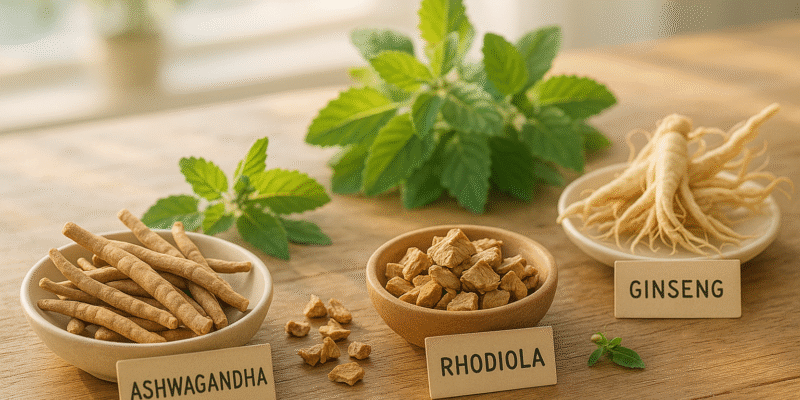
Adaptogenic herbs have been used for centuries to help the body adapt to stress, maintain balance, and support overall mental performance. Unlike stimulants, they work gently to regulate cortisol levels, reduce fatigue, and enhance cognitive function.
Incorporating these herbs into daily routines can improve focus, concentration, and productivity without the jittery effects of caffeine.
- Ashwagandha: Calming Stress for Clearer Thinking
- Rhodiola Rosea: Energy and Alertness Without Overstimulation
- Holy Basil: Supporting Mind and Mood
- Ginseng: Cognitive Strength and Memory
- Schisandra: Adaptogen for Mental Stamina
- Combining Adaptogens for Maximum Focus
- Lifestyle Tips to Complement Adaptogens
- How to Integrate Adaptogens Into Daily Life
- Potential Considerations
Ashwagandha: Calming Stress for Clearer Thinking
Ashwagandha is one of the most widely studied adaptogens. It supports the nervous system, lowers cortisol, and helps the mind stay calm under pressure. Regular intake has been associated with improved attention span, better memory retention, and enhanced mental clarity. Ashwagandha can be consumed as a powder in smoothies, as capsules, or steeped in teas for a calming ritual.
Rhodiola Rosea: Energy and Alertness Without Overstimulation
Rhodiola Rosea is known for its ability to increase energy and combat mental fatigue. It supports neurotransmitter balance, which helps the brain stay alert and focused during long tasks. Athletes, students, and professionals often use Rhodiola to maintain consistent energy levels and prevent burnout during demanding days.
Holy Basil: Supporting Mind and Mood
Holy Basil, also known as Tulsi, supports focus by reducing mental fatigue and promoting emotional stability. Its antioxidant properties help the brain resist stress-related damage, while regular consumption can support sustained attention.
Tulsi can be brewed into tea, combined with other adaptogens, or taken in capsule form to maintain mental resilience throughout the day.
Ginseng: Cognitive Strength and Memory
Ginseng has a long history as a cognitive enhancer. By improving blood circulation to the brain, it supports memory, attention, and mental endurance. Both American and Asian ginseng varieties are commonly used to boost productivity, particularly in mentally demanding environments. Ginseng extracts or teas are easy ways to incorporate this herb into daily routines.
Schisandra: Adaptogen for Mental Stamina
Schisandra berries are valued for their ability to improve focus and protect against mental fatigue. The Schisandra supports liver function and helps the body efficiently process stress. Including Schisandra in teas, tinctures, or smoothies provides sustained mental energy and sharper concentration throughout the day.
Combining Adaptogens for Maximum Focus
Using multiple adaptogens strategically can enhance cognitive support. Blending Ashwagandha with Rhodiola, or Tulsi with Ginseng, offers complementary benefits for attention, memory, and mental resilience. Consistency in consumption is key to achieving noticeable improvements in focus and productivity.
Lifestyle Tips to Complement Adaptogens
Adaptogenic herbs work best alongside supportive lifestyle habits. Prioritizing quality sleep, balanced nutrition, and regular movement strengthens the mind-body connection. Pairing adaptogen intake with Morning Sunlight exposure can help regulate circadian rhythms, further improving alertness and focus. Mindful practices such as deep breathing, short meditation sessions, or structured work breaks enhance the overall effect of adaptogens on cognitive performance.
How to Integrate Adaptogens Into Daily Life
Daily integration can be simple and flexible. Adaptogenic teas in the morning, capsules with meals, or powders added to smoothies allow you to maintain a steady intake. Rotating different herbs or using adaptogenic blends ensures the mind receives diverse support. Tracking mood, focus, and productivity can help tailor intake for maximum benefit.
Potential Considerations
While adaptogens are generally safe for most people, it is important to monitor for individual responses and possible interactions with medications. Consulting a healthcare professional before starting any new supplement regimen ensures safety and effectiveness. Starting with lower doses and gradually increasing intake allows the body to adjust and respond optimally.










Comments