

The question of whether dogs can consume certain foods often intrigues pet owners seeking to broaden their furry friends’ diets. Ube, also known as purple yam, is one such food that raises eyebrows among dog lovers. Known for its vibrant color and unique taste, ube has made its way into numerous dishes around the world. But when it comes to our canine companions, understanding the implications of feeding them this colorful delight is critical. This article explores the safety and health considerations of giving ube to dogs, offering insights that ensure the well-being of your beloved pets.
The fascination with ube: What makes it special?
Exploring the origins of purple yam
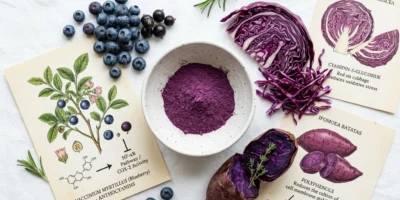
Ube, a staple in many Asian cuisines, particularly in the Philippines, is cherished not only for its stunning purple hue but also for its nutritional value. It belongs to the family of root vegetables, similar to common yams and sweet potatoes. The anthocyanins responsible for its vibrant color are antioxidants, which have potential health benefits for humans.
This nutritious aspect might tempt dog owners to consider sharing it with their pets. However, while some human superfoods offer mutual benefits to both species, others do not. Therefore, it’s crucial to assess whether purple yam is safe for dogs to consume.
Understanding the culinary uses of cooked ube
Culinary enthusiasts appreciate ube for its versatility. It enhances the flavors and aesthetics of desserts, pastries, and even savory dishes. In its cooked form, ube transforms into a creamy texture suitable for various recipes ranging from cakes to ice creams.
However, when considering these delightful constructions for dogs, one must remember that the preparation process often involves additional ingredients like sugar and spices, which aren’t ideal for canine consumption. Thus, focusing on plain, cooked ube keeps the investigation centered on the yam itself, avoiding unnecessary risks to dogs’ health.
Nutritional profile of ube and implications for dogs
Benefits of nutritional components
Purple yams contain vitamins such as A, C, and E, along with essential minerals like potassium and calcium. These contribute to maintaining healthy bodily functions like bone strength and immune support. Some might argue these benefits extend to dogs when appropriately incorporated into their diet.
Yet, it’s vital to balance these factors against any potential risks. Just because a food item is nutritious for humans doesn’t automatically make it safe or beneficial for dogs.
Potential risks: Oxalates and solanine
It’s important to note that raw or undercooked ube contains naturally occurring compounds like oxalates, which can interfere with calcium absorption and potentially cause kidney issues in dogs. Likewise, solanine, commonly found in certain members of the nightshade family, although typically absent in ube, underscores the need for caution concerning chemical protections in plants.
Therefore, knowing how these substances affect dogs reinforces why limiting intake and sticking strictly to cooked forms is imperative for keeping canines safe in moderation.
Assessing if ube is toxic to dogs
Determining the safety of ube
The primary concern revolves around how much, if any, ube is safe for dogs. While cooked ube can potentially be considered as a safe treat in minimal and infrequent quantities, several variables affect this safety. These include the size, weight, and overall health condition of individual dogs.
Before introducing such ingredients into a diet plan, consulting with a veterinarian is recommended. Tailoring dietary changes under professional guidance ensures a safe, enjoyable experience without jeopardizing your dog’s health.
Signs of adverse reactions
If you’ve opted to allow your dog a small taste of cooked ube, staying vigilant for signs of adverse reactions becomes paramount. Symptoms such as gastrointestinal distress, diarrhea, vomiting, or sudden behavioral changes warrant immediate attention and consultation with a vet.
Being attuned to such signals allows you to respond quickly, addressing potential concerns before they escalate. Such proactive measures exemplify responsible pet ownership and care.
Vet-approved guidelines for integrating ube into canine diets
Moderation is key
When incorporating ube into a dog’s diet, moderation remains the guiding principle. Even when deemed safe in controlled situations, consistently assessing portion sizes relative to your dog’s specific needs and tolerances is advisable.
No matter how tempting it is to spoil our canine companions with treats, prioritizing their long-term health leads to mutually rewarding outcomes, ensuring that we adhere to vet-approved recommendations and maintain regimen balance.
Alternative safe foods for dogs
- 🥕 Carrots: Low-calorie, crunchy snacks that aid dental health.
- 🍗 Cooked chicken: Lean protein source enhancing muscle development.
- 🍌 Bananas: Offer potassium and digested enzymes in limited servings.
- 🍏 Apples: Fiber-rich, vitamin-laden fruits with seeds removed for safety.
- 🎃 Pumpkin: Digestive-friendly fiber offering relief for upset stomachs.
Exploring other options reveals diverse delicious opportunities within safe boundaries. Each represents a nutritional powerhouse that mirrors ube’s appeal without exposing your furry friend to undue risks.
Crafting homemade treats using ube
Simplifying dog-treat recipes
For those eager to experiment with crafting dog-friendly treats featuring ube, combining a few simple steps with informed ingredient selections often results in pleasing concoctions. Opting for plain, unsweetened variants eliminates complications associated with additives unsafe for dogs.
Enthusiasts enjoy experimenting with varying elements, whether baking biscuits or assembling natural chews derived from wholesome sources. Remaining attentive throughout these processes supports product creation that’s unlikely to become taxing on companions’ digestive systems.
User-friendly recipe ideas
| 📝 Ingredient | 🥣 Amount |
|---|---|
| Cooked Ube (Mashed) | 1 cup |
| Rice flour | 2 cups |
| Unsweetened applesauce | 1/2 cup |
| Egg | 1 (optional) |
| Bake at | 180ºC (350°F) for 20-25 minutes |
Cooking enthusiasts aiming to incorporate ube benefit from thoughtfully creating familiarity through experimentation. Featuring ingredients suitable for canine digestion alongside realistic serving sizes renders the journey engaging and fulfilling.







Comments